

Earlier this year, I embarked on a 35-day vacation to Hawaii, Australia, and New Zealand. It was a once-in-a-lifetime adventure that coincided with the first calendar year I’ve been using You Need A Budget (YNAB) to track my expenses. Despite the app’s name, I hadn’t set a goal or limit for my expenses; it wasn’t until the journey was over that I looked back at what YNAB said I had spent. Being transparent with my finances in hindsight may benefit others looking to better budget for their own vacation, so here are my travel costs and how I achieved them.
The costs
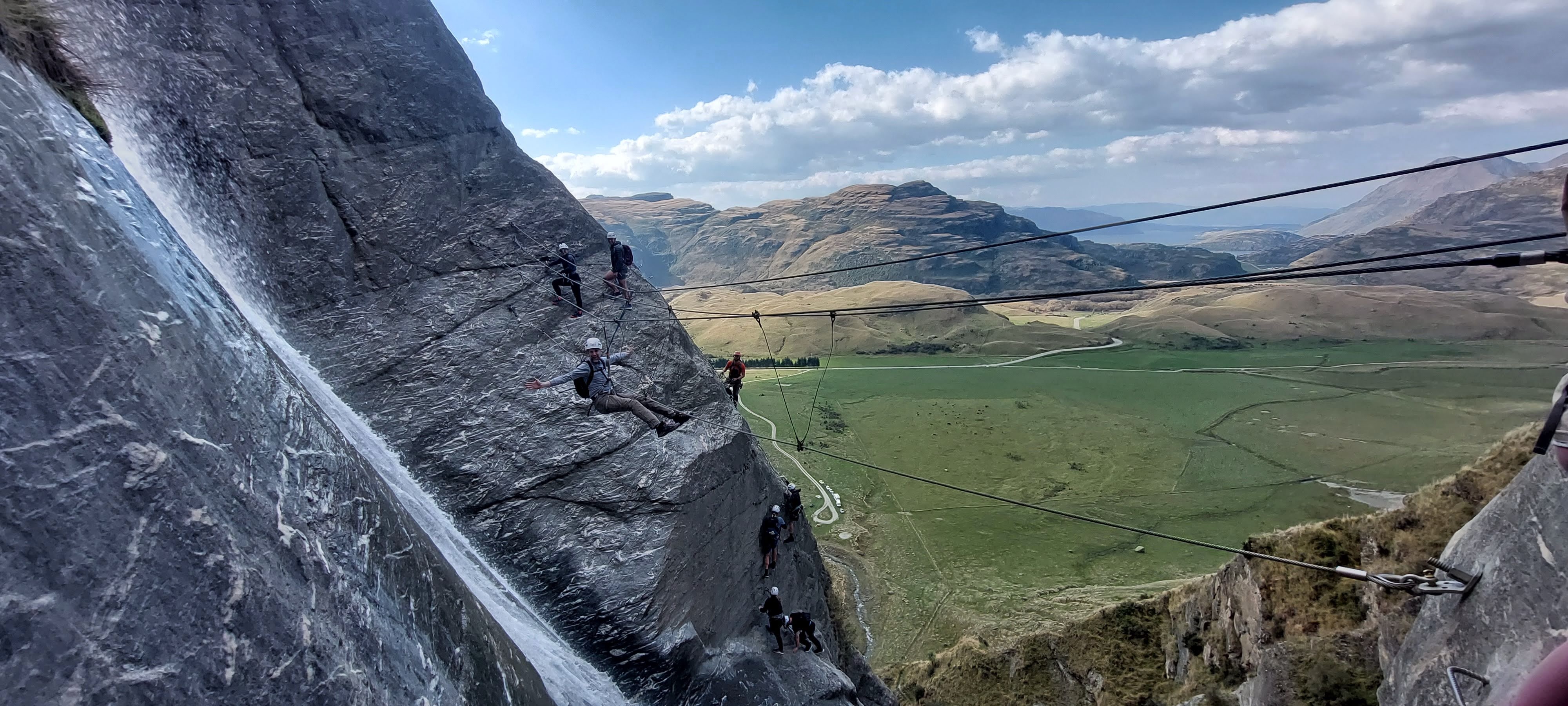
I divided my expenses into six YNAB categories, some of which were self-explanatory, such as flights, accommodations, and restaurants. Of the other three, “Experiences” described anything I did that day, from whale-watching and bungee-jumping to museums and parks. “Transportation” was everything from renting a car and riding a ferry to taking public transit and storing my luggage. Finally, “Tips” was for tour guides and hosts who had done an exemplary job. What I did not include in any of these categories was two things I would’ve been paying for even when not on vacation: gasoline (petrol) and groceries. (Also notice I had no budget for souvenirs or mementos. A nomad has no need for such things!)

Here are how my expenses broke down, from most to least expensive.
| Category | Expense |
|---|---|
| Accommodations | $3,300.55 |
| Experiences | $2,606.05 |
| Flights | $1,855.60 |
| Transportation | $1,300.76 |
| Restaurants | $600.70 |
| Tips | $234.45 |
| Total | $9,898.11 |
That sum prompted two questions, depending on who was doing the asking. When I saw it, I exclaimed:
“How can I afford so much?!”
The only things I’ve ever spent this much money on were cars, and those were paid off over many years. How could I either afford or justify spending so much up-front on a vacation??
First, I fully acknowledge that I was born into privilege, which has not diminished as I’ve gotten older. I have no debt or student loans to pay off. And I have a well-paying job with incredible benefits, which enables me to save for the future.
But I’ve also chosen a nomadic lifestyle that enables further savings. Most people have a monthly lease or mortgage that persists even when they’re not home; you don’t get an abeyance on your rent for the nights you’re not home. But as a digital nomad, I’m only ever paying for the place that I am, so I can put my housing budget toward wherever I’m staying on vacation. Last year, my housing costs averaged $45/night, so for any 35-night period, I can expect to spend $1,575; that’s about half what I spent on my vacation’s lodgings.
Last year, I also took full advantage of being a digital nomad to housesit, dogsit, and catsit. I don’t get paid for those services — but when I’m living in someone else’s home, I’m not paying rent anywhere. To the extent that I sat last year, I saved $7,690 in housing expenses. (Probably even more, compared to if I were still living in Boston.)

So let’s subtract what I saved last year in housesitting, and what I would’ve spent on housing this year anyway, from the cost of my vacation:
| Source | Value |
|---|---|
| Vacation | $9,898 |
| Saved last year | -$7,690 |
| Budgeted for 35 days of accommodations | -$1,575 |
| Remainder | $633 |
There: my vacation actually cost me only $633 beyond what I’d already saved and budgeted!
Still, $9,898 is a prodigious sum — yet when I shared it with my friends, the question they asked was very different from my own:
“How did it cost so little?!”
Whereas I had sticker shock — perhaps because the money being spent was my own! — my friends’ perspective was that I had done a remarkable job keeping the trip affordable: all expenses averaged out to $282/day. Imagine if I were spending $200/night for a hotel room: that means I fit all my flights, food, and experiences into just another $82/day!
Other than an excellent currency exchange rate in Australia and New Zealand, as well as using a credit card with no foreign transaction fees, there were two strategies I applied to my itinerary that made the biggest differences to the bottom line.
Flights
When I originally asked Expedia for flights from Boston, Massachusetts, to Melbourne, Australia, and back, it quoted me a price of $2,000. But round-trip tickets would’ve locked me into certain carriers and hubs, and a round-trip flight wouldn’t afford me extended stays in a variety of destinations along the way. I wanted to see and do more for less.
So instead, I booked seven separate flights, all of them one way, and all but one of them direct. (The flight from Boston to Honolulu was direct, followed by a brief hop to Maui.) Although it produced a more complex itinerary, individual flights let me mix and match airlines and get the most affordable options for each leg. Most flights were in the morning and thus unlikely to be delayed; since they were direct, I didn’t have to worry about layovers or catching a next flight; and being direct also meant less chance of lost luggage (though I was traveling with carry-on only, which was a further savings). All those assurances made me feel okay about booking with a budget airline.

Here are the flights I booked, either directly with the airlines or through Expedia, with anywhere from one to eight nights between each flight:
| Carrier | Route | Price |
|---|---|---|
| Hawaiian Airlines | BOS ➡ HNL ➡ OGG | $345.30 |
| Hawaiian Airlines | OGG ➡ HNL | $38.40 |
| Jetstar | HNL ➡ SYD | $356 |
| Jetstar | SYD ➡ LST | $96.03 |
| Jetstar | MEL ➡ ZQN | $226.02 |
| Air New Zealand | AKL ➡ IAH | $609.95 |
| JetBlue Airways | IAH ➡ BOS | $183.90 |
| Total | $1,827.57 |
Seven one-way flights to seven destinations cost me less than one round-trip flight to just one city!
Accommodations & meals
The other way I kept my expenses down was by being smart with accommodations. Instead of staying at luxury hotels or resorts, I looked for lodges, motels, and private rentals. These independently run venues were found via Airbnb, Google Travel, Expedia, and Tripadvisor, and I trusted other travelers’ reviews to let me know if I’d be landing somewhere safe and reliable. Sometimes it was a rustic setting on the edge of a national park; other times, it was literally a tavern where I got a key from the bartender to stay in a room with a cot, a john, and a space heater. Since I was often up early and on the go until late, I didn’t need much more than that.

I was also fortunate to have generous friends who invited me to share their homes. I spent four nights with Andrew and his family in Sydney, and one night in Houston with Mimi. I would not have been comfortable suggesting such an arrangement — I want to avoid any implication that being a digital nomad means mooching off others! But when they heard I was going to be in their areas, they extended invitations, which I graciously and gratefully accepted, thanking them with meals at their favorite local restaurants.
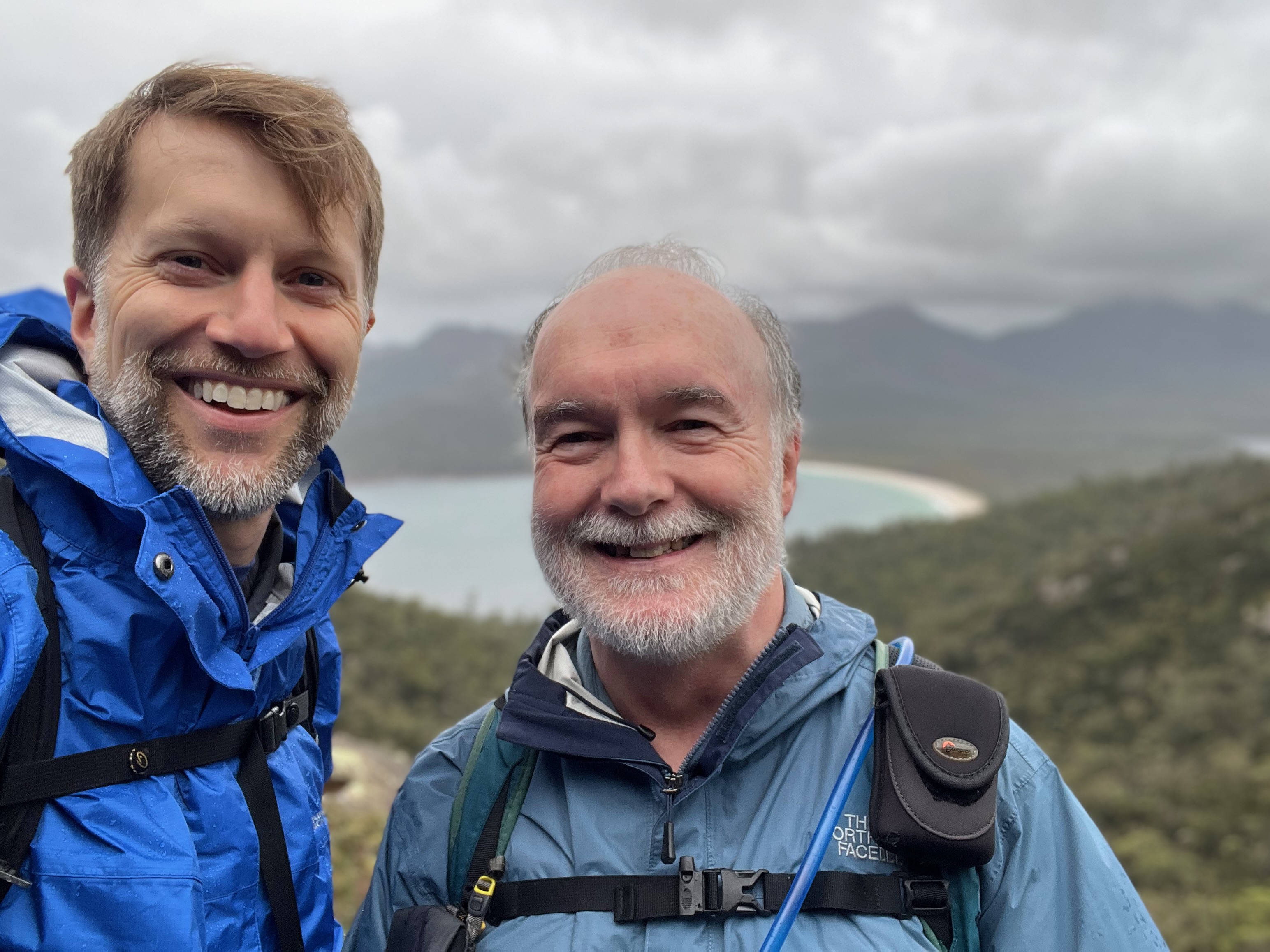
I also had a friend join me for part of my journey: Peter and I spent four days and nights hiking in Tasmania, splitting our expenses. These were not luxury accommodations, sometimes consisting of only two twin beds in one building and a coin-operated shower in another. But we didn’t travel to Tassie to order room service; we needed our space to be functional, not luxurious. No sense paying for fripperies we wouldn’t be there to appreciate if we were spending all our time on wooded trails!
Focusing on the functional also allowed me to avoid high restaurant expenses. I’ve never known a resort that offered its guests their own kitchen for cooking. By contrast, my more affordable Airbnb in Maui had every utensil and appliance and was immediately next door to a supermarket. So the first thing I did upon arriving on the island was spend $90 on grocery shopping, stocking my fridge with ingredients and meals I could cook and leftovers that would last me the week. Across eight days in one of the most beautiful (and expensive!) states in our country, I dined out only three times (including once from a food truck), for a total of about $100. One Hawaiian vacation calculator estimates budgeting $100/person/day for food; between restaurants and groceries, I spent a quarter of that.
I continued to subsist off groceries beyond Hawaii, too. Even when I was in New Zealand, where I had different accommodations every night, I always kept peanut butter, bread, bananas, and granola in my car, so I could make a quick, easy breakfast or lunch without need for refrigeration. And a Nalgene water bottle and Nuun tablets gave me all the hydration and electrolytes I needed, eliminating the cost of any other beverages.
A slower-paced, more relaxing, more decadent vacation would’ve had its own appeal — but it’s not what I wanted this adventure to be. By deemphasizing my room and board, I was able to dedicate more of my funds and energy to activities that were higher priorities.
In sum
Writing this blog post has helped me feel more secure in the spending decisions I’ve already made. If I had inherited my father’s financial acumen, this blog post might not have been necessary; perhaps I would’ve already understood all this a year ago, when I started booking my first reservations.
But now I have the opportunity to look back, not only at my expenses, but at memories I may have never gotten another chance to make. This trip was the start of a three-month leave from work — a paid sabbatical that’s granted for every five years of employment. Even if I stay with the company long enough to earn a second sabbatical, there’s no telling what my physical or financial health will be five years from now. I knew I had to take this opportunity to visit Hawaii and New Zealand, places I’d never been, and to revisit familiar trails and friends in Australia.
No matter how creative I am with accounting, whether this trip cost me $633 or $9,898, it was worth every cent.

Fascinating! However, I wonder does a digital nomad life leave one without a sense of community?
Thanks Ken, interesting to read about your travels as always! Sounds like you’ve got a good handle of the finance side of this. That’s pretty cool that savings from nomading essentially funded your sabbatical trip!