
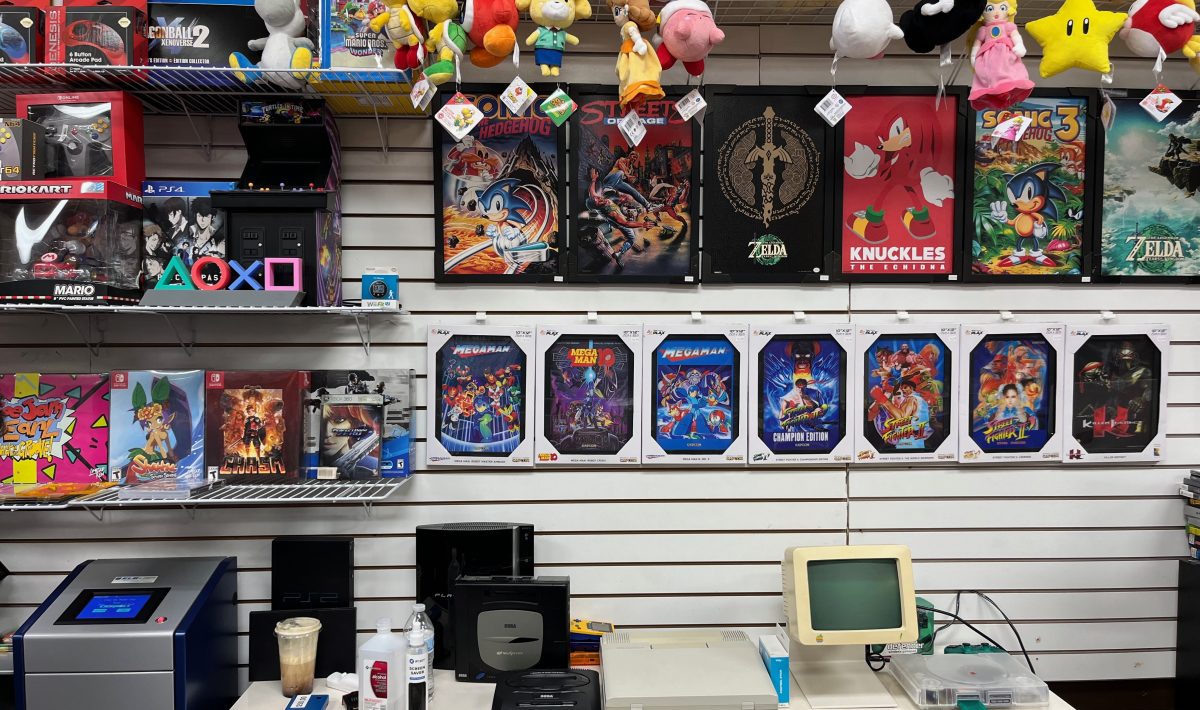
My experience with video game retail is largely limited to cookie-cutter chains, whether it’s a specialty store like GameStop or a big-box store like Best Buy, where purchases are entirely transactional and no relationship is established. It’s all about getting the game out of the store and into the home as quickly as possible.
But indie stores aren’t like that. And my travels recently brought me to the best of them all.
A few years ago, my news feed alerted me to a novelty Switch game case modeled after a Blockbuster VHS case. As a former Blockbuster employee who’s still friends with many of my co-workers, I was quick to buy a few to hand out as gifts.
I’d never purchased from this particular online retailer before, but what distinguished them from any other digital storefronts was that they also had a physical location. Since I’m constantly traversing the country, I made a mental note to visit Salem, Ohio, the next time I was passing by.
That’s how I came to find myself at Stone Age Gamer one day last June.
Stone Age Gamer
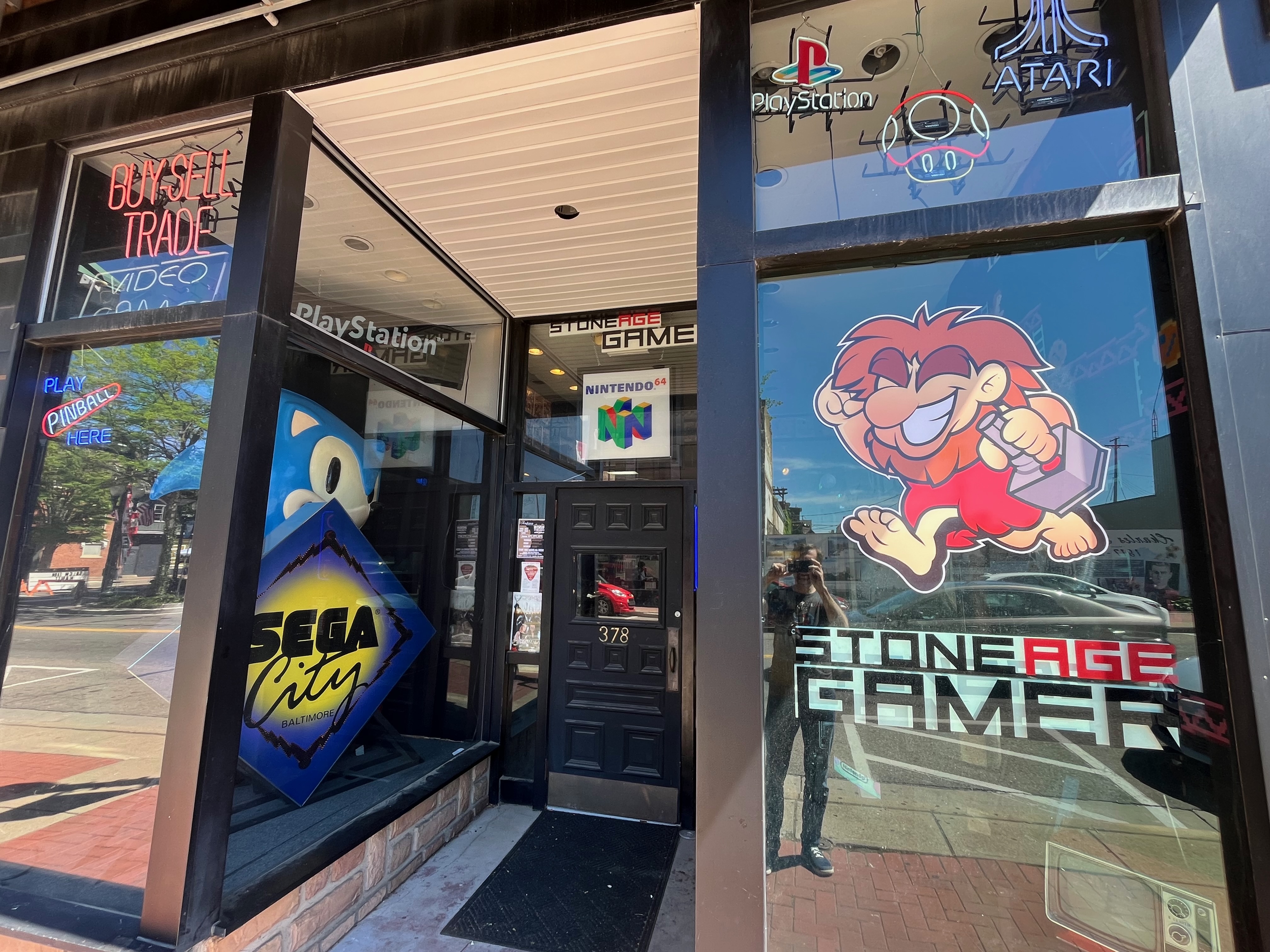
Walking up the sidewalk of this small town of less than 12,000 people, I knew when I’d found my destination.
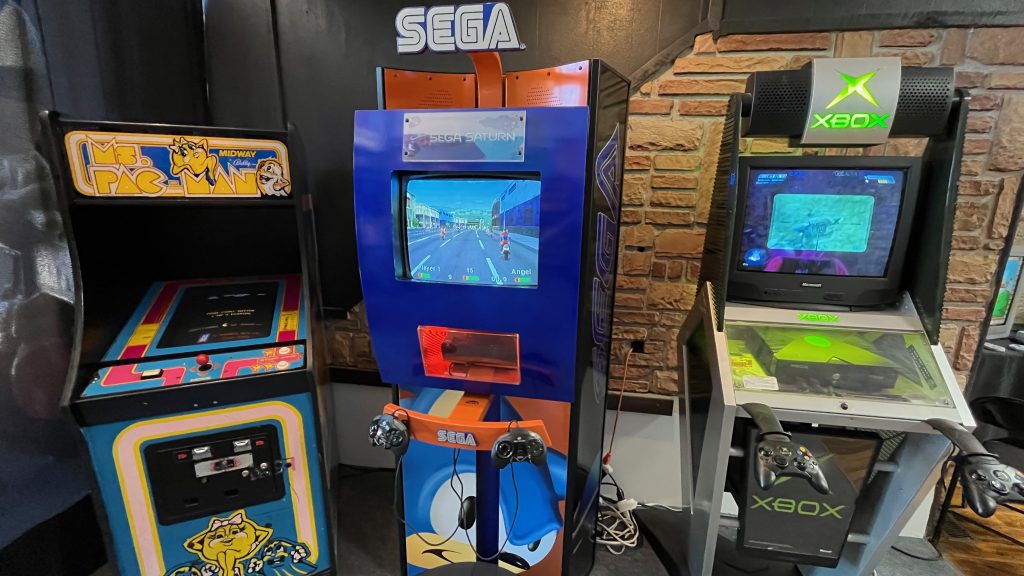
One of the first things I noticed was a working arcade of pinball machines, console demo kiosks, and more. I quickly turned around and went back to my car to get the coin tube of quarters I keep there for just such an emergency.



After getting my coin-op fix, I perused the store’s merchandise. This wasn’t the endless Funko merch I see at every GameStop; it was more offbeat, more expensive, more artistic, and more beautiful — items I could see myself actually adorning a game room with, if I had such a space.


But since I’m a nomad and don’t have a permanent home, I wasn’t there for swag. I was there for functional hardware and software I couldn’t find anywhere else.
Video game consoles & cartridges
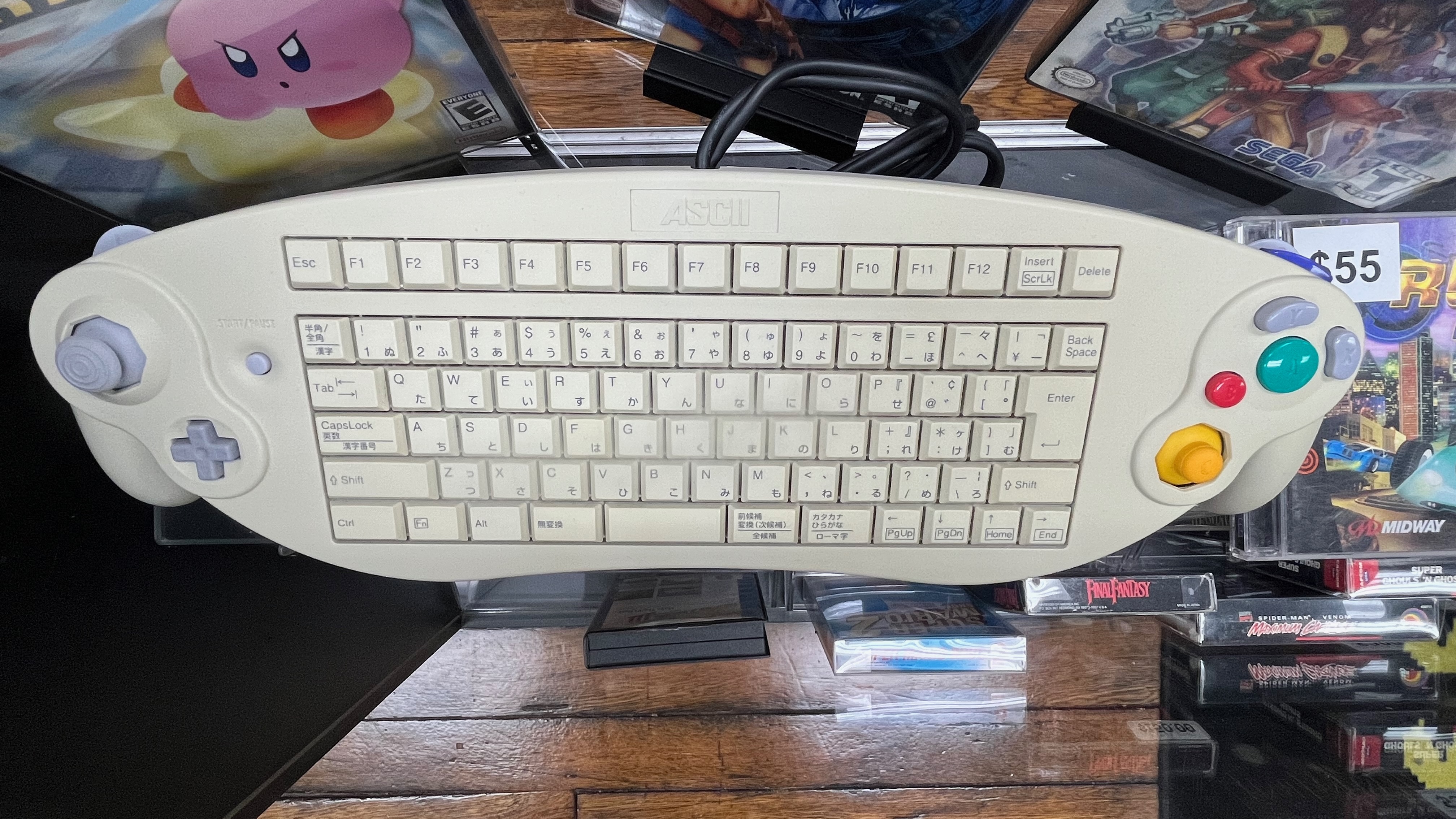
Stone Age Gamer had tons of used consoles — but in shapes and sizes I’d never seen. They had Nintendo 64 consoles in a variety of colors and shells. They had a Nintendo GameCube keyboard that I never knew existed. And tons of reproduction consoles, offering modern alternatives for playing classic cartridges. It was like walking through a living museum, where every artifact is meant to be touched and enjoyed.

And, unlike their online store’s inventory, they stocked tons of used games. Many of them were loose (i.e. not complete in box) — but for a small markup, some of those games were presented and protected in fancy clamshells. Not realizing I already had StarTropics II: Zoda’s Revenge for NES, I picked up another copy, this one in deluxe packaging.

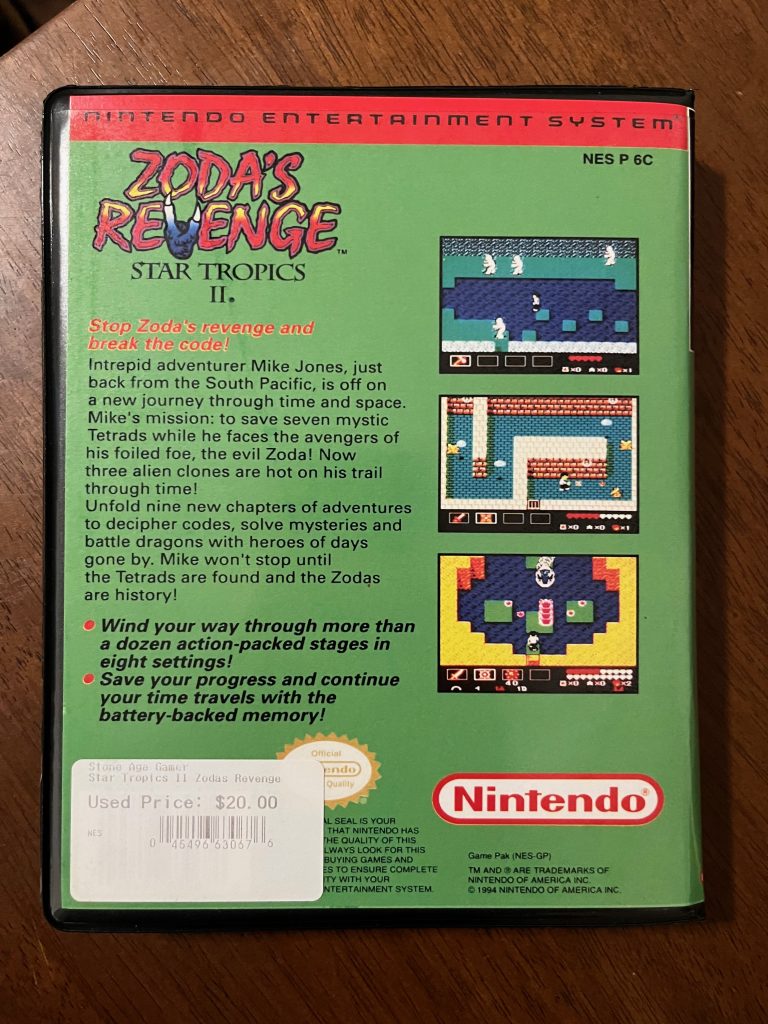

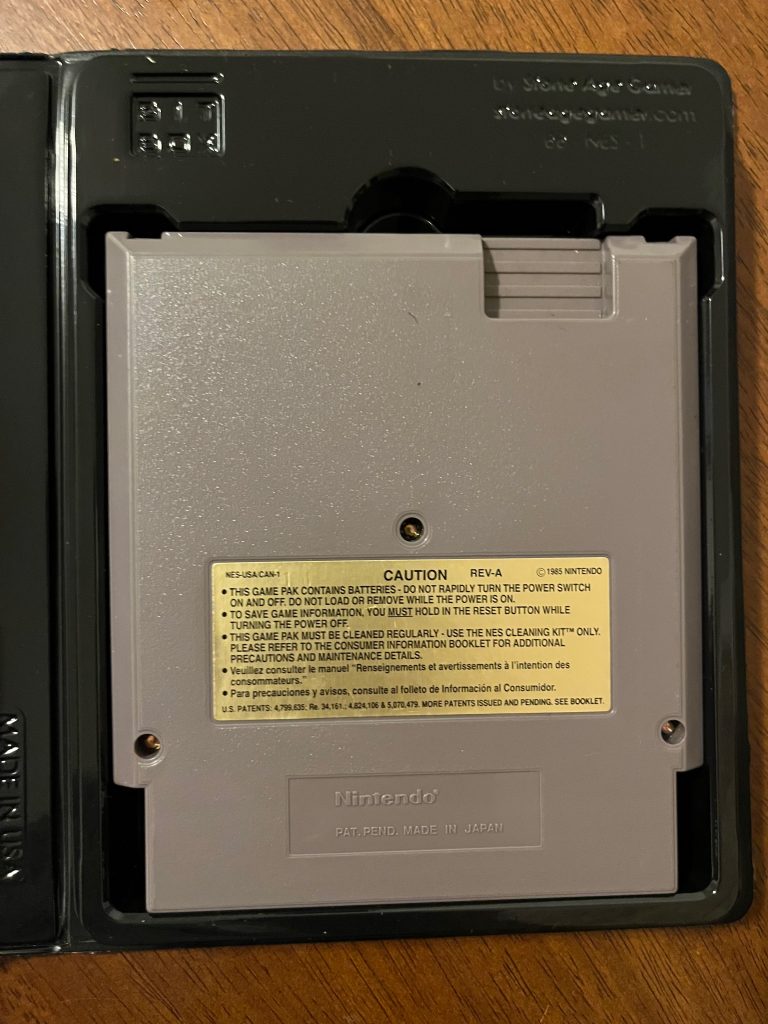
But what I really loved was chatting with the staff, who seemed to have an encyclopedic knowledge of their entire inventory. When I mentioned that I’d long ago misplaced my NEO-GEO memory card that allowed me to record high scores on arcade games, they tempted me with a replacement. Or when I lamented that my Virtual Boy was on the fritz, they recognized the problem and offered the appropriate replacement parts as well as installation and repair service.
And when I got to the real reason I was there — to buy an EverDrive flash cart for my Super Nintendo — they knowledgeably explained the pros and cons of each of the three models. Once I selected one to purchase, The manager said he had to step into the back to “make one”. While I don’t know what that entails, it implied that he knew exactly how this product works, and it wasn’t just something he’d ordered or imported to flip.
Everything I bought that day were extremely niche items that one might reasonably procure from eBay. But to find them in a retail store staffed by friendly and insightful employees who genuinely know and care about their products and their customers — that’s not something that scales to a chain. I’ve worked at GameStop, and I liked what I did, what I sold, and who I worked with — but it was no Stone Age Gamer.
Altogether, I spent nearly two hours at the store, poring (and perhaps drooling) over Stone Age Gamer’s unique wares. Given their limited store hours (the retail location is open only three days a week, and other days by appointment only), I suspect most of their sales stem from their online business; with a blog, podcast, and extensive social media presence, they invest a lot of time and energy into building their community. But if my experience is any indication, that community and experience extends offline as well.
Worth every penny
Stone Age Gamer isn’t the only game in town — or at least in the country: a few weeks later, I stopped by Media Exchange of Elkhart, Indiana, and picked up some additional rare items. That store even has a “wish list” where you can note which games you’re looking for, and they’ll notify you if and when they become available — a dangerous proposition for one’s wallet!
But I’ve yet to find a retail outlet as comprehensive as Stone Age Gamer: an exhaustive and unique inventory, online and offline sales, an informed and enthusiastic staff, and a reasonable trip from a major city. The worst (and most expensive) part of the day was the flat tire I got on the drive back to Pittsburgh. But I’d left Salem on such a high note, nothing could diminish the positive experience of a visit to Stone Age Gamer and the rarities I’d left with.

